Friday, December 15, 2023

Representation Blog Post

 Coraline (Film) (2009)

  In Coraline, the film represented the other mother as this perfect, feminine, stereotypical house wife. This is the mom Coraline always wished of , who's identity is entirely based on motherhood. This version of the other mother is shown to represent the what the ideal mother should be; perfect, beautiful, and nurturing. However, she is powerful, controlling, monstrous, cunning, sneaky and evil. This goes against what the ideals of a mother should be and are traits of which are bad for any women to have. This demonstrates that a woman being too powerful and unworthy of the mother position (the other mother) must be overthrown and defeated, repressing feminine power. The dolls also represent the stereotypical women’s gender role of nurturer, of mother which is what the other mother uses to lure '' her children''.

Coraline Photo: Other Mother | Coraline movie, Other mother coraline,  CoralineOctober Review: Coraline (2009) | Up On The Shelf


The Other Father is represented as weak and helpless which contradicts the ideals of what a man and father should be. It becomes clear that the Other Father is under the control of the Other Mother and is only able to function under her power. For example, the Other Father calling the Other Mother ''boss''. The Other Father’s uncanny puppet-like characteristics become more prominent through this deterioration. He moves when the Other Mother moves him and speaks when she allows it. Along with the Other Father, all aspects of the Other World including the environment and setting are under the control of the Other Mother. the Other Father is also uncanny because he represents a departure from current cultural social norms. Although male, he has no power or control; this is a representation of the familiar and repressed mother-child dyadic relationship where the mother is the central position and the father has a lower standing. As the film progresses and the Other Father is presented as more and more ineffectual, he is depicted as sickly and unsightly. He cannot exist as a healthy person without his individuality and personal authority, and because he is a father without familial and social authority as well.  
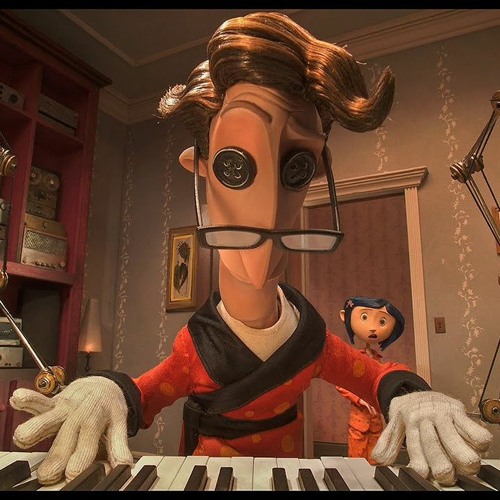
Stream Coraline - Other Father Song Creepy version by Potato | Listen  online for free on SoundCloud


As Coraline demonstrates a child’s struggle for identity separate from her parents, it is also specifically a struggle for a woman’s identity. Coraline is a female fantasy, marked as occurring in a pink palace where Coraline tries to figure out her mother’s place and function allowing Coraline to find her own as well. Coraline’s resolution with the Other Mother is a resolution within herself and her own perception. From the Other Mother’s gendered foreignness, Coraline learns how to be appropriately feminine. Coraline resolves the uncanny feminine by repressing it as other. She steps into the position of an appropriately gendered individual, learning how to interact in a proper way with the people outside of herself. The film represents certain gendered portrayals as abnormal, in this case femininity, and others and destroys it. Coraline even tries to enforce gender roles in her family - she wants a "perfect" family. She doesn't like that her father is the one to do the cooking, and asks her mother why she doesn't ever cook. This can be interpreted as strange because usually it doesn't happen that way. Coraline either wants her mother to cook because her father's meals are so horrible, or if it is evidence of how pervasive gender roles are in society and how ingrained they are even in young children.
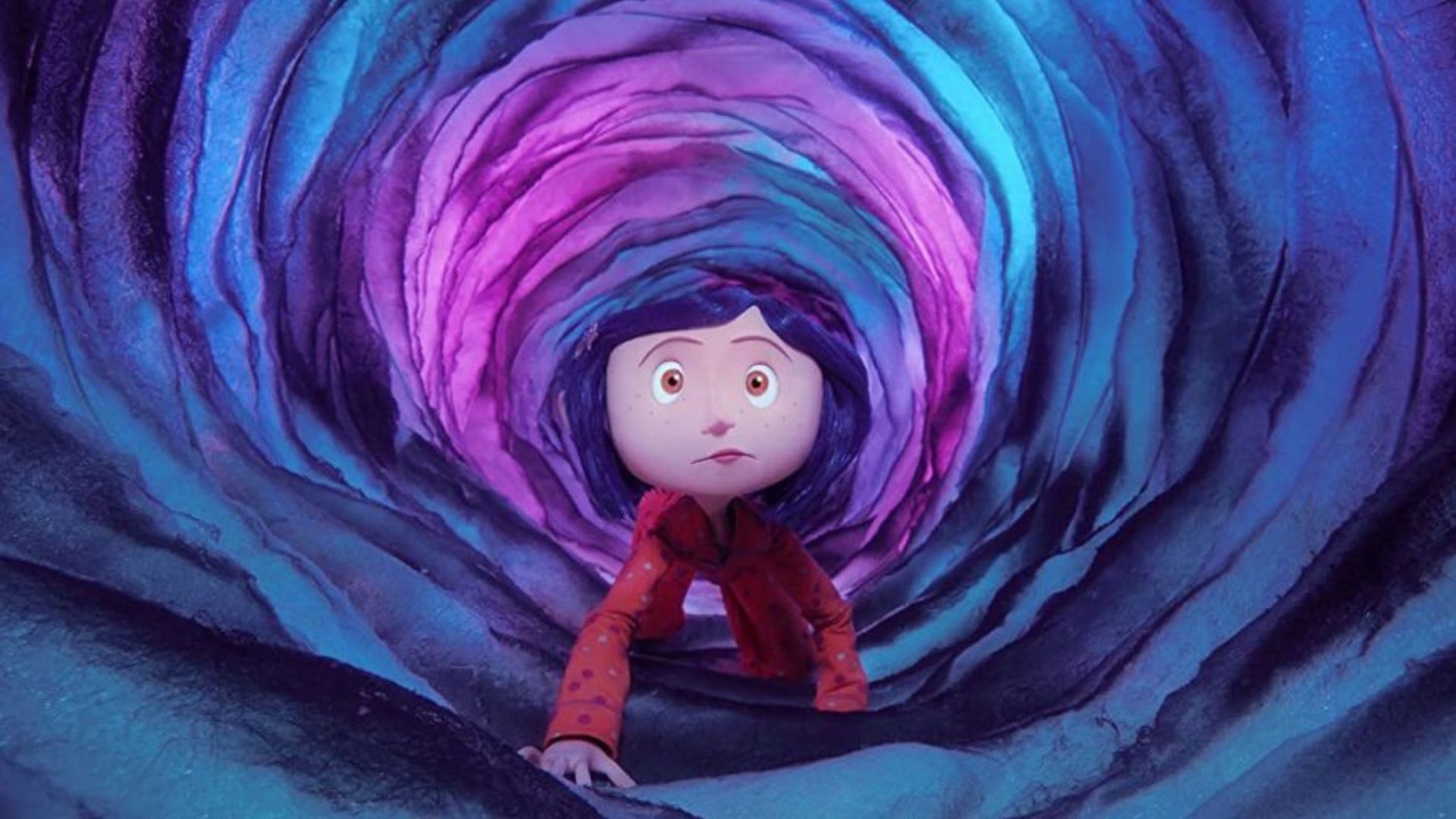
Coraline : Jacob Burns Film Center

   While Coraline represses and removes the Other Mother and Other Father, the benevolent doubles are foreigners who help Coraline and provide ways to negotiate her own identity. The British neighbors, Miss Spink and Miss Forcible. The British neighbors are elderly and clearly not normal, even the original mother thinks of them as “dingbats.” This contributes that the elderly are depicted differently effecting Coraline and her mother not to take them seriously. Their exaggerated comic appearance reflects this depiction. The sisters are visibly elderly with wrinkles, walkers, and wigs; Miss Spink is short and very rotund, and Miss Forcible is tall with outrageously proportioned breasts. In Miss Spink’s first appearance in the film, she remarks about the hotness of the male movers.They are depicted as oversexed and vain women who have never learned to live without each other. This also contributes to how Miss Spink and Miss Forcible do not get taken seriously even potentially effecting viewers to think of them as lower woman since they do not represent the ''ideal'' elderly woman. Additionally, they surround themselves with nostalgic mementos of their past career including posters from their Shakespeare performances. This suggests the lack of lifelong satisfaction that career has brought these women; they cannot continue to work past their prime and must constantly commemorate their heyday. Miss Spink and Miss Forcible’s strangeness is articulated through their foreignness of age, gender, and ethnicity.
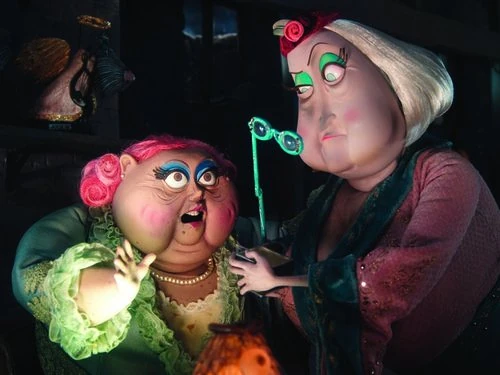
Spink and Forcible | Shipping Wiki | Fandom

The cat is racialized in his position as well as his voice, since it is inferred that he is of color. The cat uses his magical and spiritual gifts for the white character, Coraline. He is the only character that moves between both worlds, and he has knowledge far beyond a cat or even a human. Along with being black, the cat is clearly male, yet in this case he is powerful. This differentiates himself racially and personally who is of color and the other white men as they are represented as weak. As powerful as the cat is, he acts in a service role because of the cat’s position on language, individualization and refusal to acknowledge fantasy.This can also be racially motivated since he is of color helping out the white character (Coraline). Coraline even silences the cat in the normal world even though he is a powerful man. When Coraline tells him that cats can’t talk at home, he responds “No? Well, you're clearly the expert on these things. After all, I'm just a big fat wuss puss.” He suggests that not only does Coraline mock him and not take him seriously, but that Coraline’s focus on verbal talking ignores other aspects and types of communication. Also, it can be inferred that Coraline is used to the men in her family being weak, so she doubts men overall as she also doubts Wybie (her friend) throughout the film.
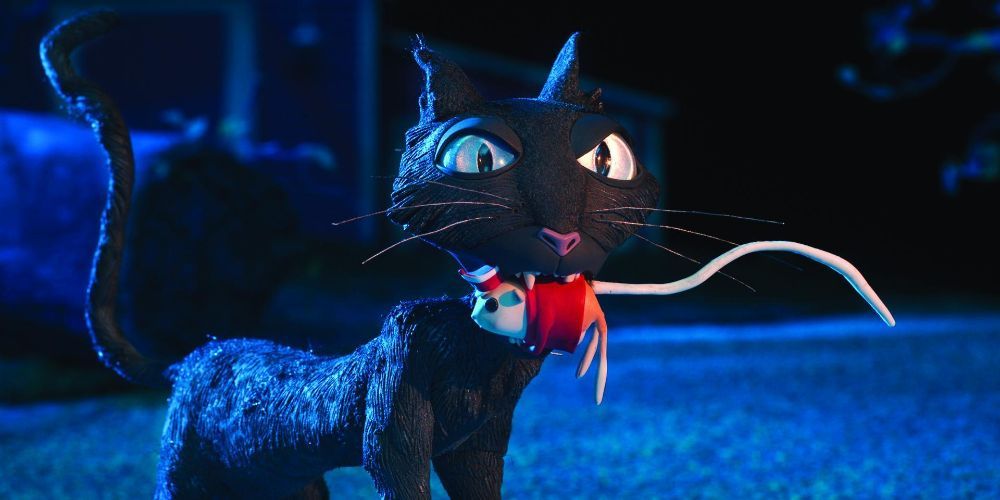
Coraline's Beloved Black Cat Receives Massive Merch Rollout from LAIKA


Friday, November 3, 2023

Horror Research

                                  Horror Research Activity

What  is Horror?:

Horror is a genre of fiction, entertainment, or artistic expression that is characterized by its intent to elicit fear, dread, and intense emotional responses in its audience or consumers. It often features themes, elements, or situations that are meant to be frightening, terrifying, or unsettling. Horror can manifest in various forms, including literature, film, television, art, and other media, and it typically explores the darker aspects of the human experience, supernatural phenomena, or elements that challenge the boundaries of reality and the unknown.

Content:

Horror content can encompass a wide range of themes and elements that are meant to evoke fear, suspense, and discomfort in the audience. Some common content found in horror includes:

  1. Supernatural Elements: Many horror stories incorporate supernatural or paranormal elements such as ghosts, demons, vampires, werewolves, witches, and other supernatural creatures. These entities often create a sense of otherworldly dread.

  2. Psychological Horror: This type of horror delves into the human psyche and explores themes like insanity, madness, and the disintegration of one's mental state. It can involve characters experiencing hallucinations, delusions, or being tormented by their own fears.

  3. Violence and Gore: Some horror content includes graphic violence, gore, and gruesome scenes. This can involve depictions of physical harm, mutilation, or death, which can be deeply unsettling.

  4. Isolation: Isolation is a common theme in horror, as it amplifies the feeling of vulnerability. Characters may be stranded in remote locations, trapped in confined spaces, or cut off from help, intensifying the sense of dread.

  5. Jump Scares: Jump scares are sudden, startling moments designed to shock the audience. These usually involve a loud noise or a sudden appearance of something frightening within the story.

  6. Body Horror: This subgenre focuses on the grotesque transformation or deformation of the human body, often in disturbing and gruesome ways.

  7. Existential Dread: Some horror content delves into existential questions and the fear of the unknown, confronting themes like mortality, the afterlife, and the meaninglessness of existence.

  8. Mystery and Suspense: Horror often relies on mystery and suspense to keep the audience engaged and fearful of what might happen next. Unraveling the unknown and discovering the source of the horror can be a central element of the story.

  9. Moral Dilemmas: Horror can explore moral and ethical dilemmas, challenging characters and the audience to make difficult choices in the face of terrifying situations.

  10. Curses and Hauntings: Stories involving curses, haunted houses, or objects with dark histories are common in horror. These elements often revolve around the idea that past actions can come back to haunt individuals or places.

  11. Fear of the Dark: The fear of the dark and the unknown is a fundamental element of horror. Shadows and obscured environments can create a sense of foreboding and anticipation.

  12. Environmental Horror: Some horror stories use environmental factors as a source of fear, such as natural disasters, apocalyptic scenarios, or the threat of unknown, malevolent forces in the environment.

It's important to note that the specific content and themes in horror can vary widely, and not all horror content will include all of these elements. Different subgenres within horror, such as psychological horror, supernatural horror, and slasher horror, focus on specific aspects to create unique and terrifying experiences for the audience.

Production Techniques:

Horror films and other horror-related media often employ a variety of production techniques to create a terrifying and suspenseful atmosphere. These techniques play a significant role in enhancing the overall horror experience for the audience. Here are some common production techniques used in the horror genre:

  1. Lighting: Lighting is a crucial element in horror production. It can be used to create shadowy, dimly lit environments that instill a sense of dread and uncertainty. Contrast between light and darkness is often employed to create suspense and reveal frightening elements gradually.


  2. Sound Design: Sound design is essential for building tension and fear. Eerie, unsettling, or discordant sounds, such as creaking floorboards, distant whispers, or unnatural noises, can intensify the atmosphere and alert the audience to imminent scares.

  3. Music: The choice of music and the use of a score can have a profound impact on the horror experience. Haunting and suspenseful music can heighten emotions and signal impending danger, while silence or sudden shifts in music can create jump scares.

  4. Camera Techniques: Various camera techniques are used in horror production. Techniques like handheld camera work, Dutch angles (tilted shots), and tracking shots can add a sense of unease and disorientation. Extreme close-ups can emphasize fear on characters' faces, while wide shots can reveal a frightening environment.

  5. Pacing: Effective pacing is crucial for horror. A slow build-up of tension followed by sudden, intense moments of fear can be more frightening than constant action. A well-timed reveal of horror elements keeps the audience engaged.

  6. Cinematography: The choice of lens, framing, and composition can enhance the visual impact of horror scenes. Wide-angle lenses can distort images and create a feeling of disorientation, while tight framing can increase the sense of confinement.

  7. Special Effects: Special effects, both practical and digital, are often used to create frightening visuals. Makeup, prosthetics, and animatronics can bring monsters and creatures to life. Computer-generated effects can be used to enhance or create supernatural elements.

  8. Editing: The pace of editing plays a role in the overall tension and suspense. Quick cuts and rapid editing can be used to create a sense of chaos and panic, while longer shots and slower editing can build anticipation.

  9. Set Design and Props: The choice of set design, props, and locations can contribute to the horror atmosphere. Creepy, dilapidated settings, ominous objects, and details like cobwebs, decay, and dark corners can add to the overall feeling of dread.

  10. Costumes and Makeup: The appearance of characters is critical in horror. Appropriate costumes and makeup can transform actors into terrifying or supernatural entities. Effective character design contributes to the scare factor.

These production techniques can be tailored to different subgenres of horror, from supernatural horror to psychological horror, to maximize the desired emotional impact on the audience. A successful horror production combines these elements to create an unforgettable and chilling experience.

Marketing:

Marketing in the horror genre is a unique and crucial aspect of promoting horror films, books, video games, attractions, and other media. Effective marketing strategies aim to generate interest, anticipation, and fear among the target audience. Here are some key elements of marketing in the horror genre:

  1. Target Audience: Identifying and understanding the target audience is essential. Horror appeals to a wide range of demographics, from teenagers to adults. Marketing strategies should be tailored to reach specific age groups and interests within the broader horror fan base.

  2. Teasers and Trailers: Horror trailers often use suspenseful music, quick cuts, and glimpses of frightening scenes to create anticipation and intrigue. They aim to tease the audience without giving away too much of the plot.

  3. Poster Art and Visuals: Eye-catching and unsettling poster art is crucial. A well-designed poster can convey the tone and atmosphere of the horror content, drawing potential viewers in. Artistic elements should be used to create a memorable and intriguing image.

  4. Social Media Campaigns: Leveraging social media platforms is essential for reaching horror fans. Posting teasers, behind-the-scenes content, and engaging with the audience can build excitement and foster a sense of community among fans.

  5. Online Viral Marketing: Horror marketing often capitalizes on the power of viral marketing. Campaigns may include mysterious websites, online puzzles, or cryptic messages that encourage fans to engage and speculate about the content.

  6. Influencer Marketing: Collaborating with social media influencers, YouTubers, or bloggers who have a significant horror following can help generate buzz and reach a broader audience.

  7. Event Marketing: Hosting horror-themed events, such as haunted house experiences or conventions, can serve as effective promotional tools. These events allow fans to immerse themselves in the horror world and build excitement for the content.

  8. Interactive Campaigns: Creating interactive experiences, such as escape rooms or augmented reality games, can immerse the audience in the horror universe and keep them engaged with the content.

  9. Community Engagement: Fostering a sense of community among fans is essential. Horror marketing should encourage discussion, fan theories, and fan-generated content through forums, social media, and official websites.

  10. Reviews and Previews: Providing advanced screenings or sneak peeks to select critics and influencers can generate early buzz and positive reviews, which can influence potential viewers.

  11. Release Timing: Consider the timing of the release. Horror content is often associated with specific seasons, such as Halloween, and taking advantage of these seasonal trends can enhance marketing efforts.

  12. Engaging Merchandise: Horror franchises often sell merchandise, including clothing, collectibles, and accessories, which can serve as both promotional tools and additional revenue streams.

Effective marketing in the horror genre aims to create a sense of fear, anticipation, and excitement while respecting the interests and sensibilities of the target audience. It often relies on creative and immersive approaches to engage with fans and build excitement around the content.

Samples:


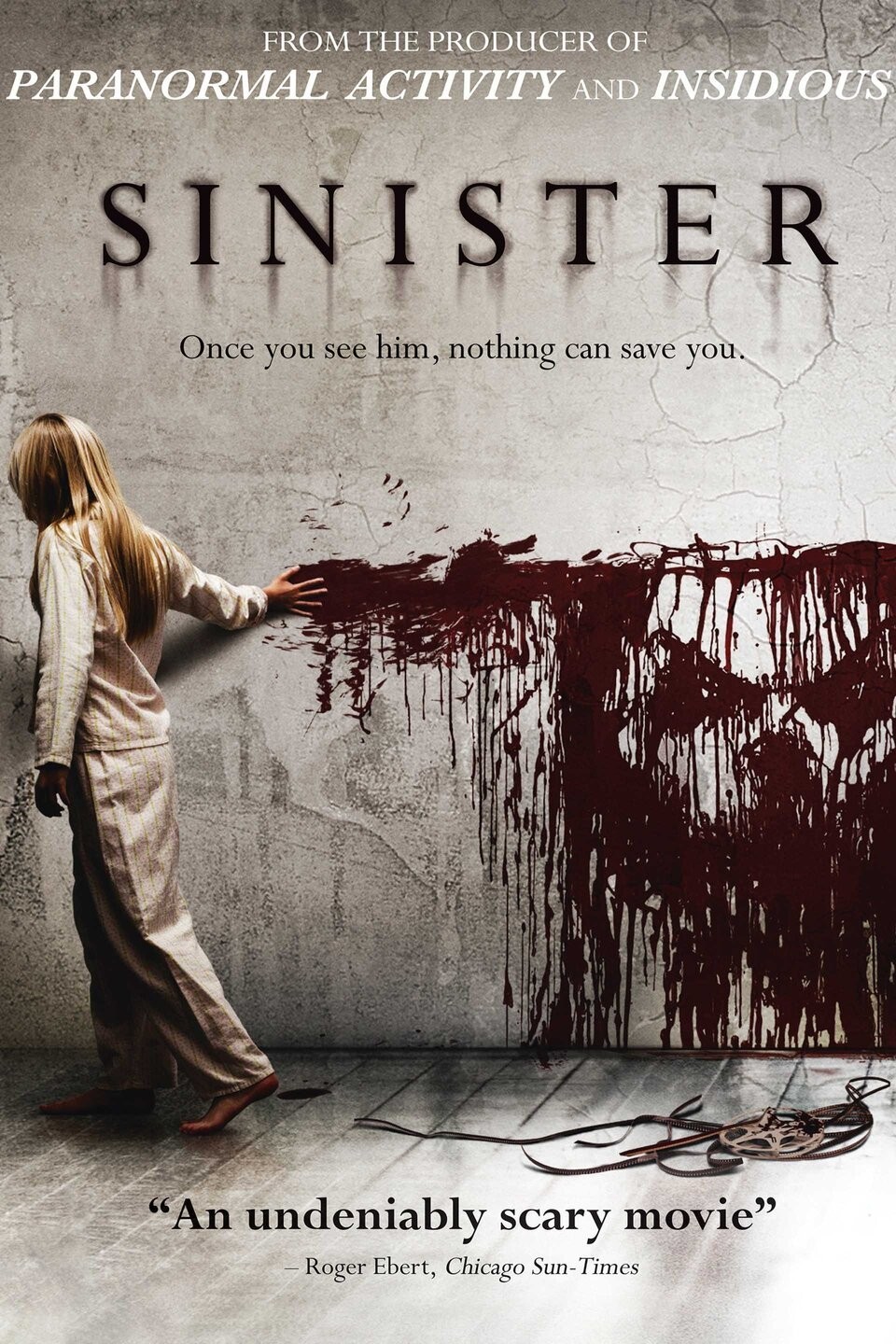
Sinister - Rotten Tomatoes

 Sinister is a 2012 supernatural horror film directed by Scott Derrickson and written by C. Robert Cargill and Derrickson ."Sinister" is a story made of darkness: mysterious loud bangs in the attic, distant moans from the dead, vulnerable children, an egomaniac crime writer and his long-suffering wife, who is plenty fed up even before she discovers he has moved his family into the same house where horrifying murders took place


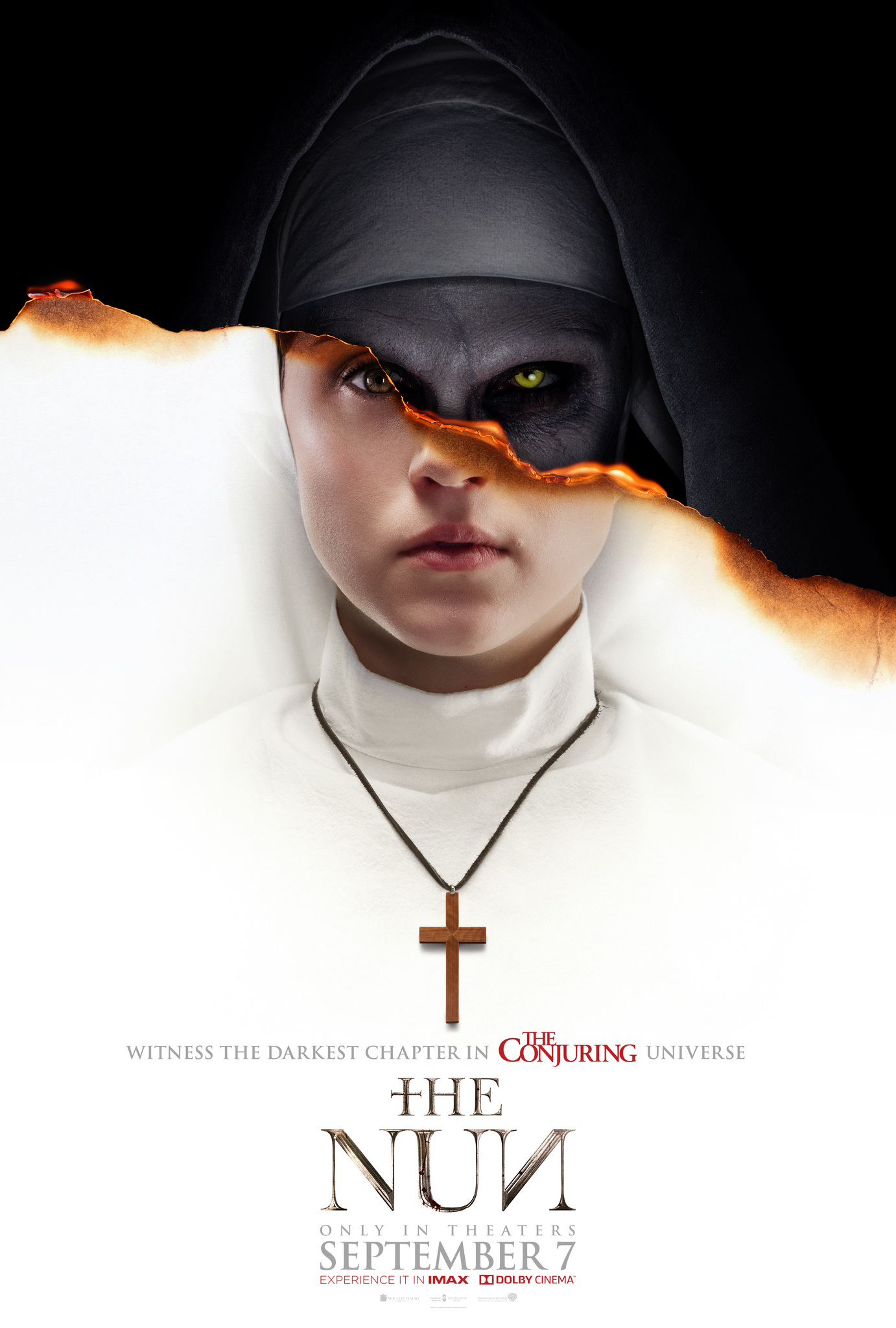
The Nun (2018) - IMDb
From the creative mind of James Wan, “The Nun” released on September 7th, 2018 made in another chapter in the horrifying “Conjuring” series. The film as a whole ties seamlessly back into the first “Conjuring” film and leaves the viewer chilled to the bone. In this installment, director Corin Hardy focuses on three characters.  The first is an older priest, played by Damain Bichir, sent by Rome to investigate the suicide of a young nun in Romania. The second is a girl who has not yet taken her vows as a nun, played by Taissa Farmiga. She is approached by the priest to assist him in Romania. The final character is none other than the evil creature the girl and the Father battle against, played by Bonnie Aarons.


Other Movies to Consider:


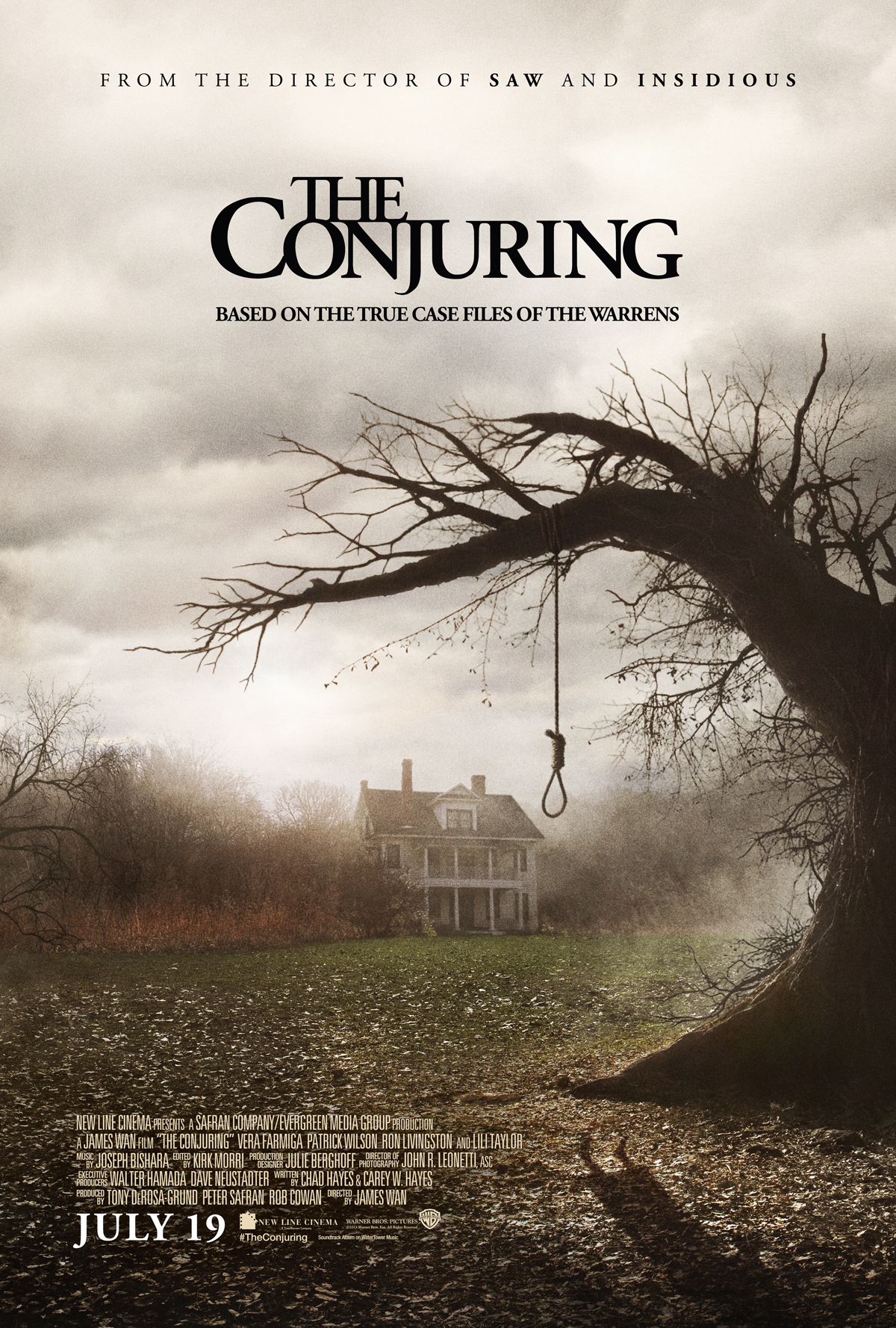
The Conjuring (2013) - IMDb

The Conjuring; James Wan [2013]

It (2017 film) - Wikipedia
It; AndrĂ©s Muschietti [2017]

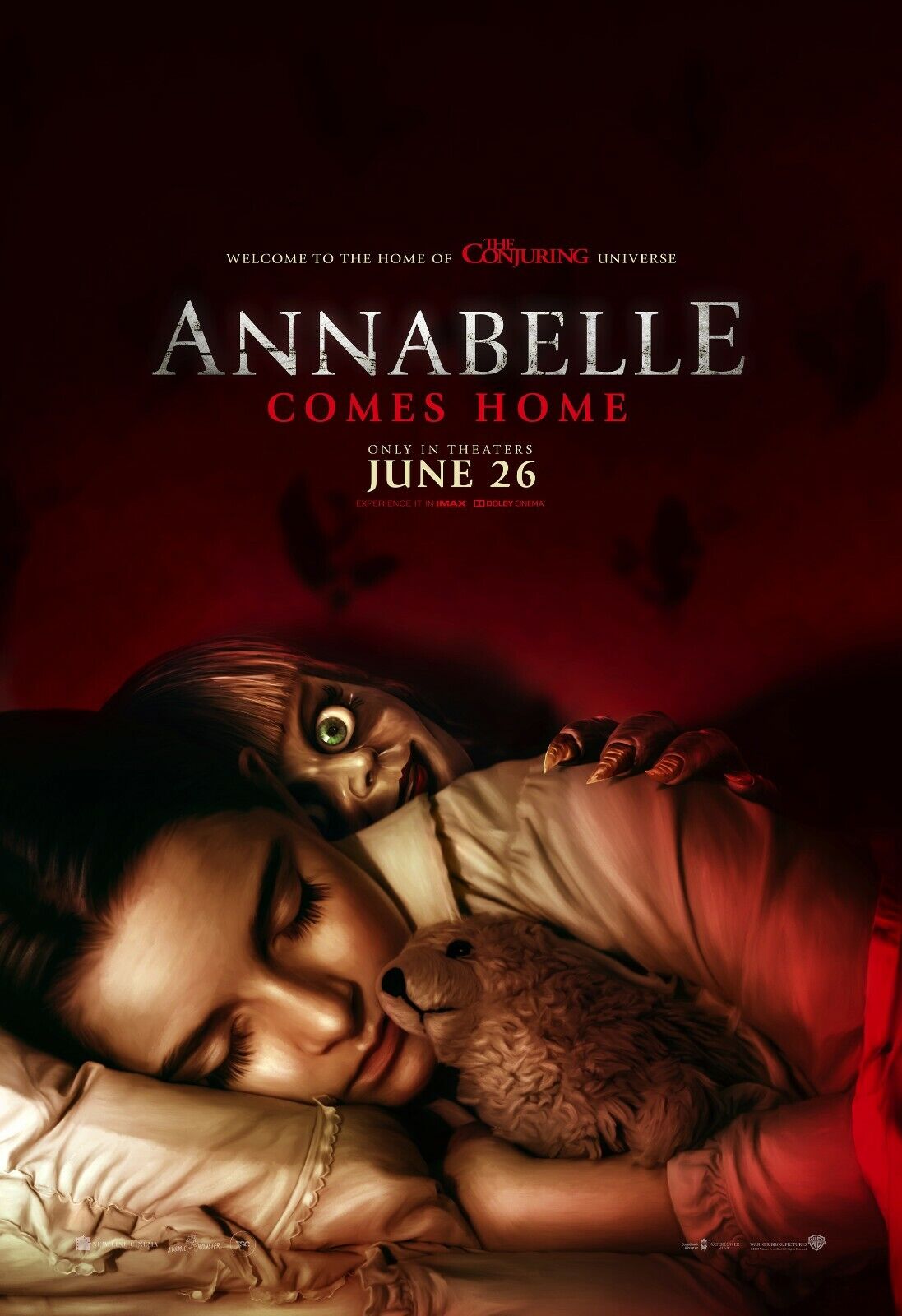
Annabelle Comes Home movie poster (c) - 11 x 17 inches - Annabelle poster |  eBay
Annabelle Comes Home; Gary Dauberman [2019]

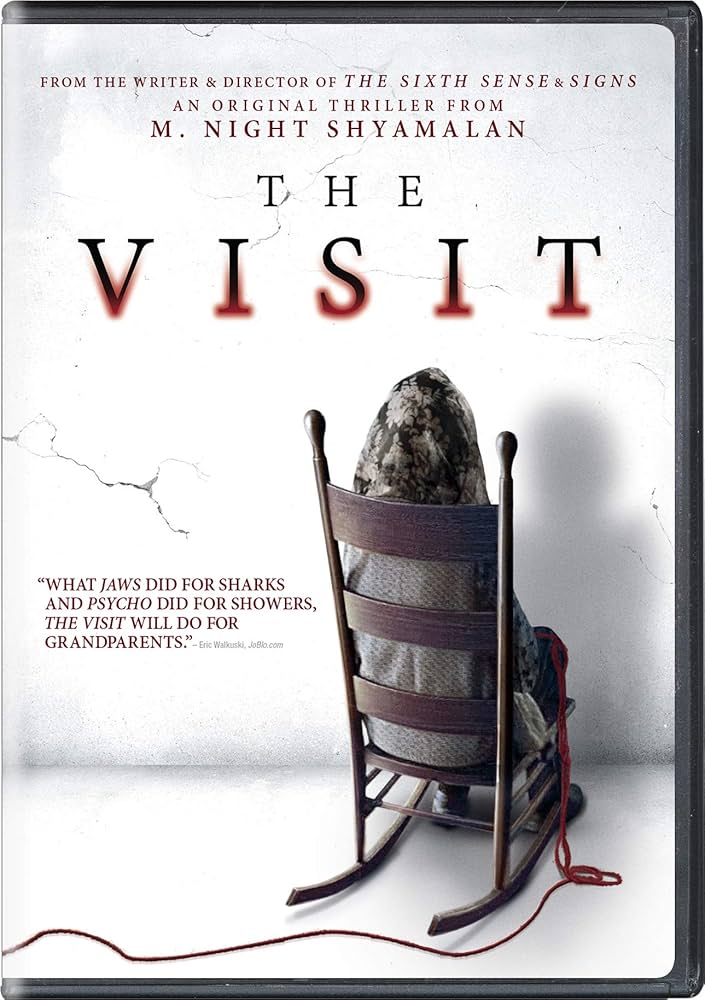
 Amazon.com: The Visit (DVD) : Olivia DeJonge, Ed Oxenbould, Deanna Dunagan,  Peter McRobbie, Kathryn Hahn, M. Night Shyamalan: Movies & TV
The Visit; M.Night Shyamalan [2015]

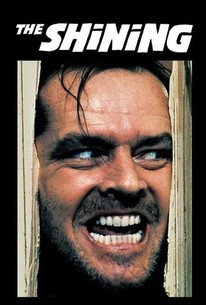
The Shining - Rotten Tomatoes
The Shining; Stanley Kubrick [1980]

The Top 50 Horror Films Of The Past 20 Years
Hereditary;Ari Aster [2018]

Week 10 Post # 19

Creative Critical Reflection CCR #1 CCR #2